

Last updated: October 27, 2026
Quick Answer: No. Can a Margin Call Happen in a Cash Account? Not in the normal sense, because a cash account does not borrow against securities. What can happen is a settlement problem: a good faith violation, a free-riding violation, or a temporary restriction while the broker waits for cash to settle.
Key takeaways
- A cash account and a margin account work under different rules, so the word “margin call” usually does not belong in a cash account.
- The real risk in a cash account is trading before your funds settle, not owing the broker money on borrowed funds.
- If you buy and sell with unsettled proceeds, the broker may flag a good faith violation or free riding.
- A cash-account restriction is not the same thing as a margin call, and the fix is usually timing, not depositing collateral.
- If the broker has extended credit without your approval, that is a separate account issue and should be reviewed with the firm directly.
What a cash account does differently from a margin account
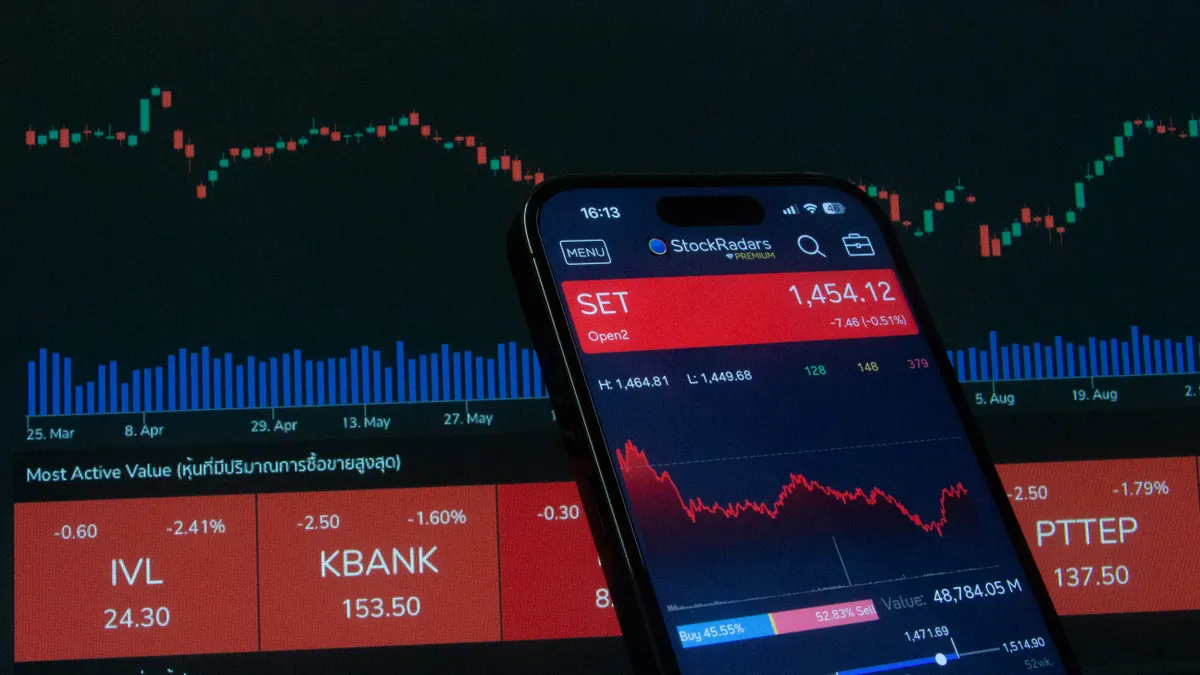
A cash account uses only your settled cash, so it does not create the kind of debit balance that leads to a margin call. In a margin account, the broker can lend part of the purchase price, and that loan is what makes margin rules relevant. In a cash account, the broker is tracking whether your trades are backed by money that has actually settled, usually on a T+1 or T+2 basis depending on the security and market.
That difference matters because many readers use “margin call” as a catch-all for any brokerage problem. It is not a catch-all. A cash account can be in trouble, but the trouble is usually about settlement discipline, not borrowed money. If you buy stock on Monday and sell it before the purchase has settled, the broker may see an issue even though no margin loan exists.
The clean way to think about it is this: margin account problems are credit problems, while cash account problems are timing problems. The account type decides which set of rules applies. If you are not sure which account you have, look for the broker’s account agreement or the platform label on the holdings page. Many firms separate cash and margin at account opening, and the consequences are different enough that guessing is risky.
For a plain-language overview of the borrowing side, the hub on what is a margin call belongs on the margin-account branch, not here.
Can a margin call happen in a cash account?
No, not in the normal sense, because a margin call is tied to borrowed funds and account equity requirements. A cash account does not use margin borrowing, so there is nothing to “call” in the maintenance-margin sense.
What does happen is easier to misunderstand. If you trade securities before the cash used to pay for them has settled, the broker may enforce settlement rules. That can lead to a good faith violation if you buy with unsettled cash and then sell before the purchase settles. It can also lead to a free-riding violation if you buy securities and pay for them with the proceeds of a sale that has not settled yet.
This is where people get tripped up: the broker may send a warning, place the account on tighter controls, or restrict certain trades, and the notice can feel like a margin call. But the cause is different. The broker is not asking you to restore equity to a margin loan. It is telling you that your cash-account trades did not line up with settlement timing.
The distinction matters because the cure is different too, but a professional review can help if the notice is confusing or the account setup looks wrong. A real margin issue is about meeting a debt requirement. A cash-account settlement issue is about not reusing cash too early. If the account is truly a cash account, the fix is usually to wait for settlement or to place trades only with settled funds. If the brokerage is treating the account as margin-enabled by mistake, the customer service conversation should focus on the account designation, not the trade blotter alone; the SEC and FINRA both explain that account type and settlement rules drive the result.
How settlement timing creates the real problem

Settlement timing creates the real problem because the cash from a sale is not available for instant reuse in the same way an account balance screen might suggest. Most U.S. equity trades settle on T+1, meaning the trade settles one business day after the trade date. Other products and markets can follow different schedules, so the broker’s ledger matters more than the headline balance.
Here is the practical sequence that causes trouble in a cash account:
- You sell a position, and the platform shows proceeds immediately.
- You buy another security before the sale proceeds have settled.
- The broker later reviews the trade history against the settlement calendar.
- If the buy was funded by unsettled proceeds, the firm may mark the account for a good faith violation or free riding.
The cost of getting this wrong is not usually a bill for interest. It is a restriction or compliance mark on the account. Some brokers may limit what you can buy for a period of time, especially if the violation repeats. The exact response depends on the broker’s internal controls and the type of security involved.
A simple habit helps: check the “settled cash” figure, not just total cash or available to trade. Those labels are not identical across brokers. A platform can show buying power that includes unsettled funds for some order types, but that does not mean the cash has settled. If you are trading a stock on a Friday and using proceeds from another trade, the weekend does not make the cash settle faster. Business days control the clock.
A cash account is safest when the investor treats the settlement date as the real deadline, but a broker or financial professional can confirm the rule for a specific account. That habit often prevents the most common mistake before it starts.
Good faith violation vs. free riding: the terms that matter here
A good faith violation happens when you buy a security in a cash account and then sell it before the purchase has fully paid for with settled funds. Free riding is more severe: it is buying and then selling securities without having enough settled cash to cover the buy, relying on the sale proceeds to pay for the purchase. Both are settlement-based problems, but they are not the same label.
The difference sounds small and the consequences are not. A good faith violation usually tells the broker that you used unsettled funds in a way the account rules do not allow. Free riding tells the broker you used sale proceeds before those proceeds were actually yours to spend. Either one can lead to a restriction on the account, especially if the pattern repeats over 3 or 4 trades rather than a one-off mistake.
A lot of generic explanations blur these terms into “you broke the rules.” That is not specific enough to help a reader avoid the next problem. The practical move is to match the rule to the source of the money. If the money came from a sale that is still settling, do not assume it is available for a new purchase. If the money came from a bank transfer that has not fully posted, do not assume the broker will treat it as settled cash; check the firm’s policy or ask support.
The cleanest safeguard is boring but effective: write down the settlement date next to each trade, or use the broker’s settlement details field if it exists. If you keep a cash account for discipline, that discipline has to extend to the calendar. A 1-day wait can prevent a 90-day headache if the account gets restricted by repeated violations.
How to keep a cash account out of settlement trouble
You keep a cash account out of settlement trouble by trading only with settled cash, checking the settlement date before entering a new order, and resisting the temptation to reuse proceeds the same day. Those three habits do more to prevent account flags than any complicated strategy.
Use this process:
-
Open the trade confirmation and find the settlement date.
The result should be a clear date, often T+1 for many U.S. stocks and ETFs, rather than a guess based on the trade date. -
Look at the broker’s “settled cash” or equivalent balance.
If that amount covers the full order, the trade fits the cash-account rules more cleanly than a balance that includes unsettled proceeds. -
Wait for sale proceeds to settle before placing a replacement trade.
This keeps the account from drifting into a good faith violation or free-riding pattern. -
Keep a short log of buys, sells, and settlement dates.
A simple notes app entry can catch a mistake before the broker does. -
If the platform is unclear, ask the broker how it treats same-day sales and unsettled funds.
The answer should be specific to the account type and the security class, or you should consult a qualified professional if the situation is not clear.
The trade-off is speed. A cash account can be slower to rotate capital than a margin account, especially for active traders who want to move in and out of positions on the same day. It reduces borrowed-money risk, but it also limits reuse of unsettled cash. It is not a bug; it is the point of the account type.
This is also why a cash account is a poor fit for someone who expects to day trade heavily. The settlement rules can make frequent trading awkward, and the account can become restricted if the trader pushes beyond what settled cash can support.
What to do if your broker warns you anyway
If your broker warns you anyway, treat the warning as a settlement or account-designation issue first, not as a margin debt problem. The first step is to read the notice closely and look for the exact phrase the broker used. A margin call notice, a good faith violation notice, and a trading restriction notice are not interchangeable.
Start with three checks. First, confirm the account type on the statement or platform profile. Second, review the trade dates and settlement dates for the transactions that triggered the notice. Third, check whether any part of the account was converted to margin, even temporarily, by the broker’s default settings or by a linked feature.
If the notice refers to a cash-account violation, the usual response is to stop trading with unsettled funds and wait through the restriction period if the broker imposed one. If the notice looks like a margin notice, contact the broker right away and ask whether the account was mislabeled or whether some positions are in a different subaccount. That conversation is more useful than arguing over the word “margin” itself.
A common mistake is to assume the broker made an error because the account is called a cash account. The label does not override the settlement ledger. Another mistake is to transfer money in after the warning and assume the problem is solved. A new deposit can help, but it does not erase a prior violation if the broker already recorded it.
If the account is being restricted and the notice is unclear, the safest course is to speak with the brokerage’s compliance or support team and, if needed, a qualified financial professional. Account rules can vary by firm and security type, and this is one of the few areas where a small misunderstanding can produce a long restriction.
Is a cash account safer than a margin account?
A cash account is generally safer if the goal is to avoid borrowing and the risks tied to a margin loan. It limits losses to the money actually in the account, but it still has settlement rules that can trigger violations. Safer does not mean consequence-free; it means the risks are different and usually narrower.
What is a good faith violation?
A good faith violation is a cash-account settlement violation that happens when a security is sold before the purchase has fully settled with settled funds. It is not a margin call. The usual consequence is a broker warning or restriction, especially if the pattern repeats over multiple trades.
Can cash accounts be restricted?
Yes, cash accounts can be restricted if settlement rules are broken. The restriction is usually tied to trading with unsettled funds, not to margin debt. A broker may limit trading activity after repeated good faith violations or free-riding behavior, and the restriction length depends on the firm’s policies.
Drafted with AI; not yet reviewed by a person.